
Comparing Container Homes to Traditional Homes: Which Is Right for You?
ID
In recent years, container homes have emerged as a popular alternative to traditional housing. These innovative structures are made from repurposed shipping containers, offering a unique blend of sustainability and modern design. But how do they stack up against conventional homes? Let's explore the key differences to help you decide which option is best for your lifestyle.
Cost and Affordability
One of the most significant advantages of container homes is their affordability. Building with shipping containers can be considerably cheaper than using traditional materials. The average cost of a container home can vary depending on size and customization, but it often remains lower than a conventional home.
In contrast, traditional homes involve higher expenses due to materials, labor, and construction time. However, they offer a wider variety of styles and designs. It's important to weigh the initial savings of container homes against the potential long-term value of traditional properties.

Construction Time
Time is another critical factor when comparing container homes to traditional homes. Container homes can be constructed relatively quickly. Since the basic structure already exists, the focus shifts to interior design and customization, which can significantly reduce building time.
Traditional homes typically require more time to build due to the complexity of construction processes and materials. This might be a consideration if you're looking to move into your new home promptly.
Design and Customization
Container homes offer a modern and minimalist aesthetic that appeals to many. They can be customized with creative layouts and eco-friendly features, such as solar panels and green roofs. However, the design options might be limited by the dimensions of the containers.

Traditional homes, on the other hand, provide endless design possibilities. Whether you prefer a classic look or something more contemporary, traditional construction allows for a high degree of personalization, from architectural style to interior finishes.
Environmental Impact
Sustainability is a major draw for container homes. By repurposing existing materials, container homes reduce waste and can incorporate various eco-friendly technologies to minimize their environmental footprint.
Traditional homes, while increasingly incorporating green building practices, generally require more resources and energy to construct. However, they can be built to high environmental standards with proper planning and investment.
Durability and Maintenance
Container homes are known for their durability. Made of steel, they are resistant to harsh weather conditions and pests. However, they may require additional insulation and maintenance to prevent rust and ensure comfort.
Traditional homes, built with various materials, offer proven durability and can be adapted to different climates. Maintenance needs vary based on the materials used but typically involve routine care to maintain their condition.
Conclusion: Which Is Right for You?
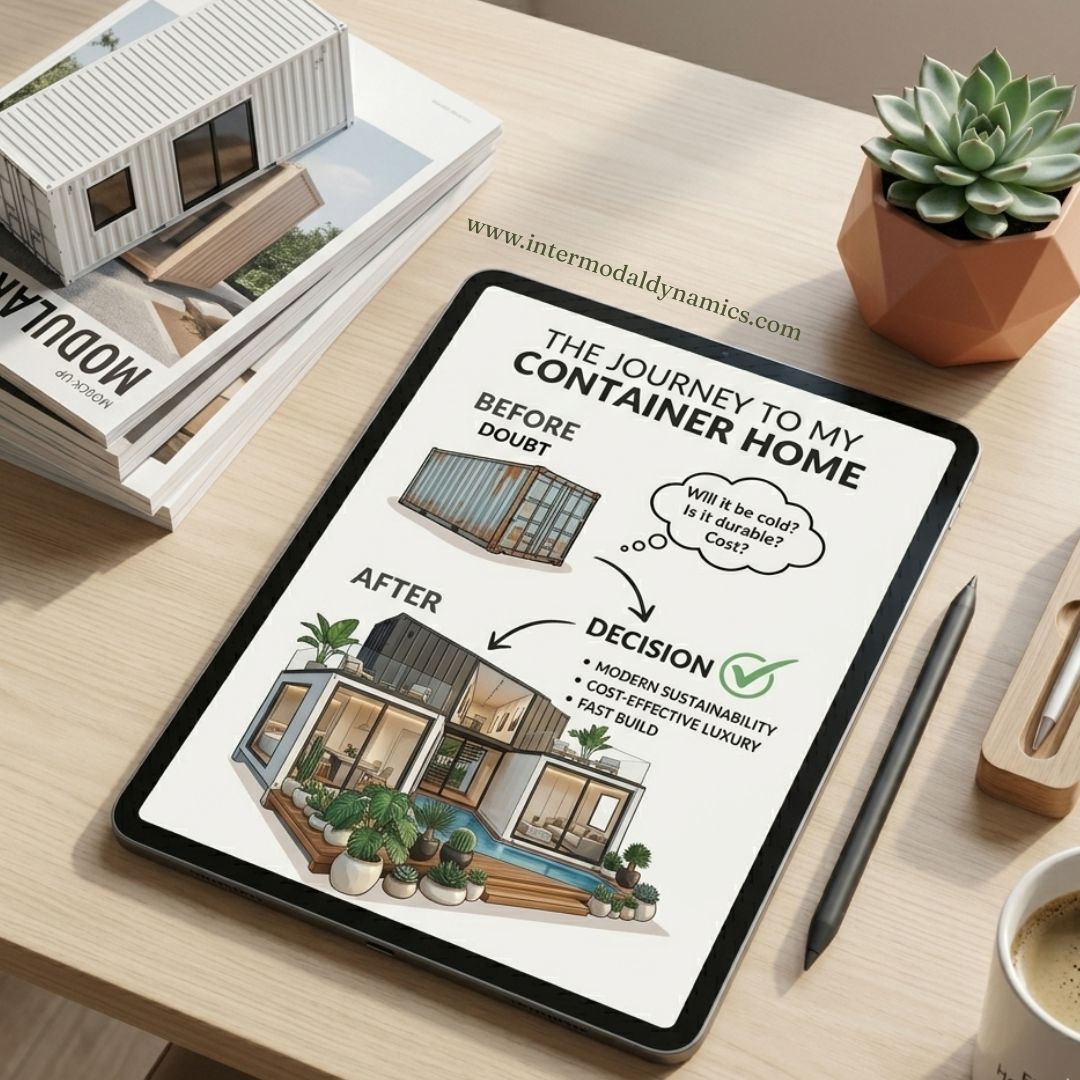
Ultimately, the choice between a container home and a traditional home depends on your priorities and lifestyle. If cost, speed of construction, and sustainability are top priorities, a container home might be the perfect fit. However, if you value design flexibility and long-term investment, a traditional home may be more suitable.
Consider your needs, budget, and environmental values when making your decision. Each option offers unique benefits, and the right choice will depend on what you value most in a home.