
Container Houses in Tropical Climates: What You Need to Know
ID
Container houses have gained popularity in recent years, especially in tropical climates where their unique benefits can be fully leveraged. These innovative homes offer a sustainable, cost-effective, and stylish alternative to traditional housing options. However, building a container house in a tropical climate requires careful consideration of various factors to ensure comfort and durability.
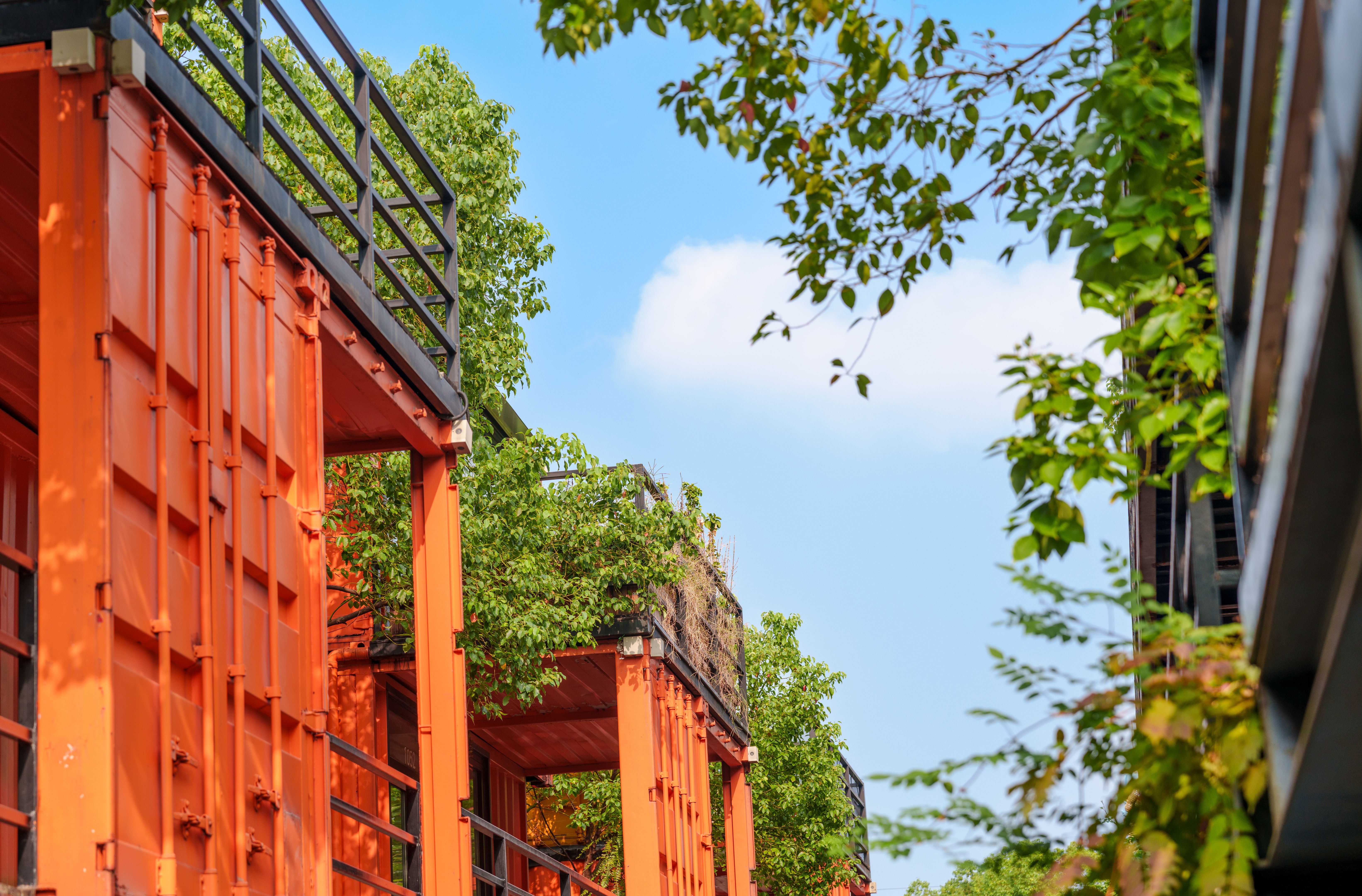
Benefits of Container Houses in Tropical Climates
One of the primary advantages of container houses is their sustainability. Made from repurposed shipping containers, these homes reduce waste and promote recycling. In tropical climates, their metal structure can be beneficial for quick construction and easy modifications, allowing homeowners to adapt to environmental changes.
Additionally, container houses are often more cost-effective than traditional homes. The availability of used shipping containers at a lower price makes them an attractive option for budget-conscious individuals. Their compact design also means that less material is needed for construction.
Design Considerations for Tropical Climates
When designing a container house for a tropical climate, insulation is a critical factor. Metal containers can absorb heat, making the interior uncomfortable. Proper insulation will help maintain a cool temperature inside the house, ensuring comfort even during the hottest days.
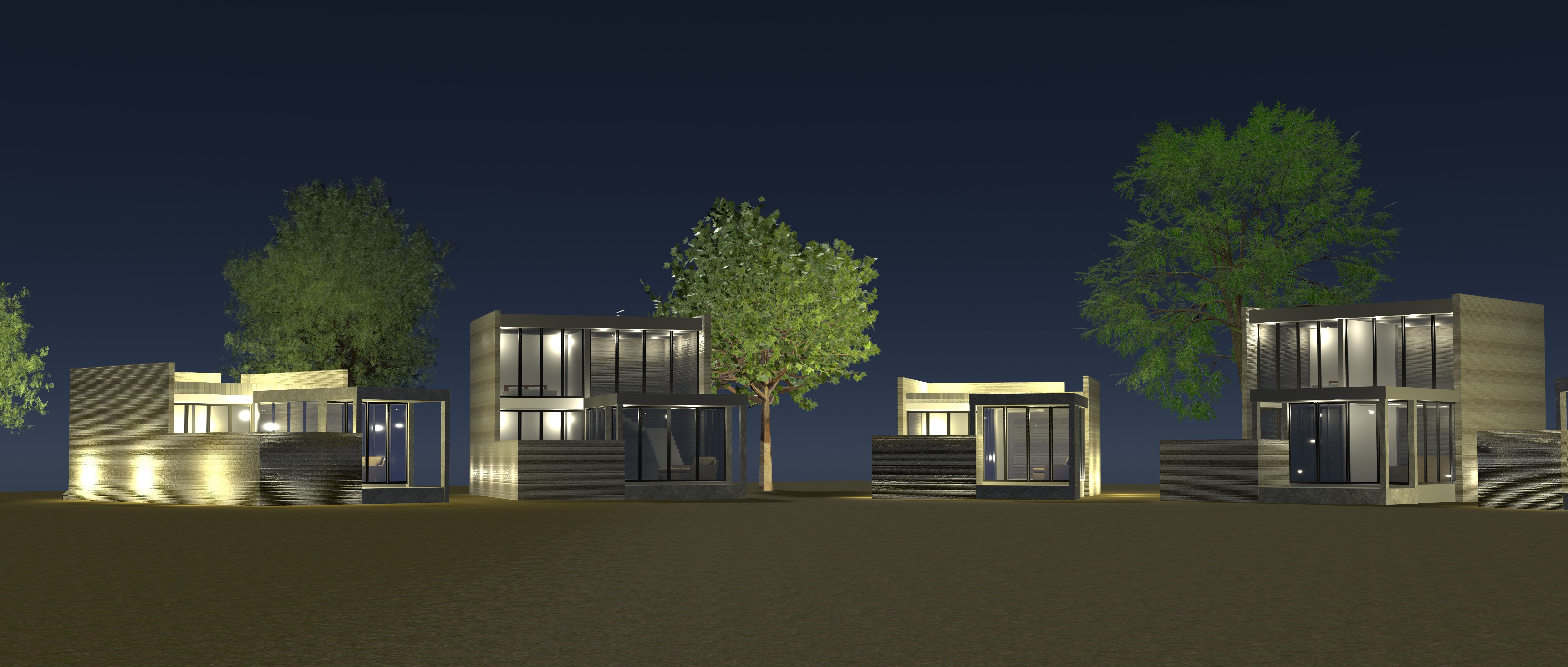
Ventilation is another crucial aspect. Incorporating windows, skylights, and ventilation systems will promote airflow and reduce humidity levels. This is particularly important in tropical areas where high humidity can lead to mold and mildew growth.
Choosing the Right Location
Selecting the right location is key to maximizing the benefits of a container house in a tropical climate. Consider the following factors:
- Orientation: Position the house to take advantage of natural wind patterns for cooling.
- Shade: Utilize natural shade from trees or install shading devices to reduce direct sunlight exposure.
- Elevation: Build on elevated ground to prevent flooding during heavy rains.
Maintenance and Longevity
Maintaining a container house in a tropical climate involves regular inspections and upkeep. The metal structure is prone to corrosion due to humidity and salt in the air. Applying anti-corrosive paint or coatings can help protect the metal surfaces.
Regular maintenance of the roof and gutters is essential to ensure proper drainage and prevent water leakage. Keeping the exterior clean and free from debris will also contribute to the longevity of the container house.
Conclusion
Container houses offer a viable and attractive option for those looking to build a home in tropical climates. With their eco-friendly nature, cost-effectiveness, and adaptability, they provide a modern solution to housing needs. By considering factors such as insulation, ventilation, and location, homeowners can create a comfortable and sustainable living space.