
DIY Container Home Projects: What You Need to Know Before You Start
ID
Understanding the Basics of Container Homes
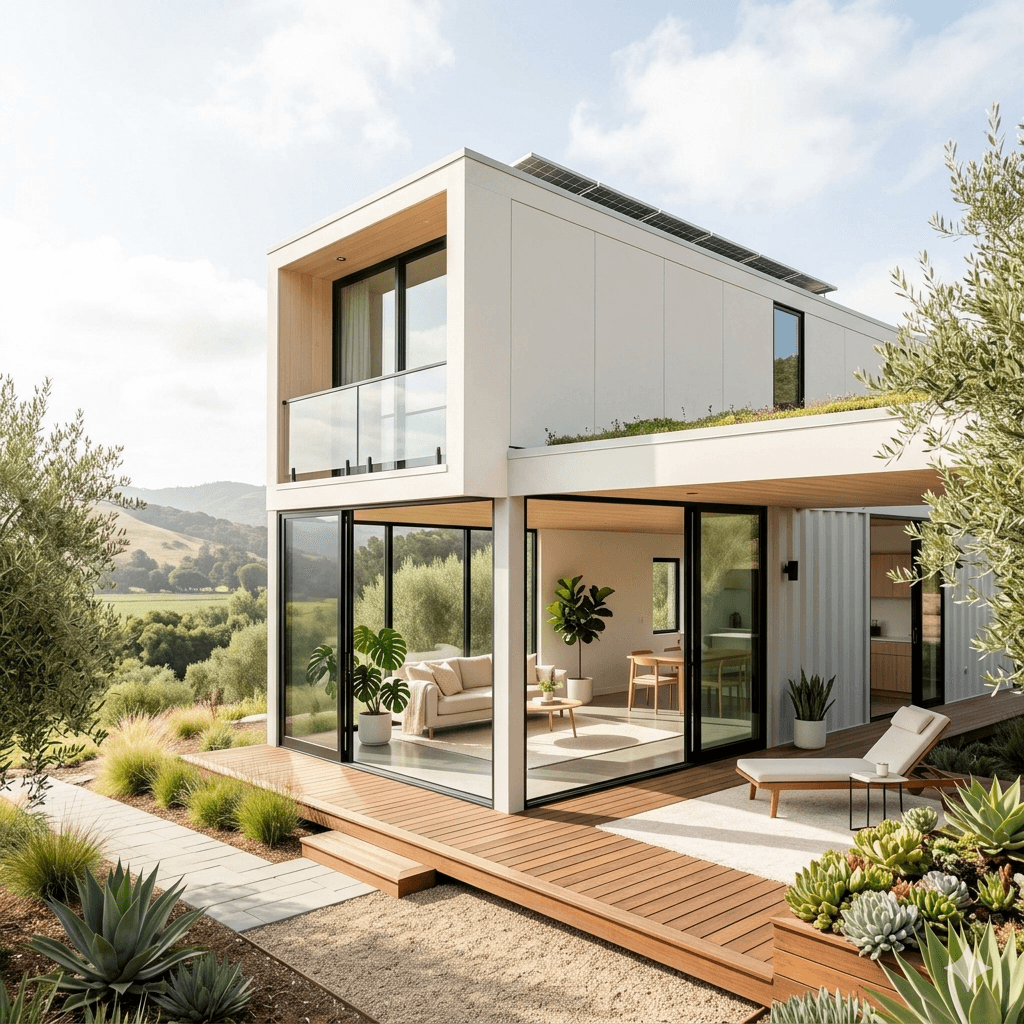
Container homes have gained popularity as a sustainable and cost-effective housing option. Before diving into a DIY container home project, it's essential to understand what they are. Shipping containers, typically made of steel, are repurposed to create functional living spaces. This innovative approach to housing combines modern design with environmental consciousness.
Why Choose a Container Home?
The appeal of container homes lies in their affordability and versatility. They are often cheaper than traditional homes and can be customized to fit various styles and needs. Additionally, container homes are environmentally friendly, as they recycle existing materials, reducing the demand for new resources.
Key Considerations Before Starting
Before embarking on your DIY container home journey, consider the following factors:
- Local Regulations: Research local zoning laws and building codes to ensure your project complies with legal requirements.
- Budget: Establish a clear budget, including costs for the container, insulation, utilities, and interior design.
- Location: Choose a suitable site that meets your lifestyle needs and has access to essential services.

Planning Your Design
Design is a crucial aspect of any container home project. Begin by sketching out your ideas and considering how many containers you’ll need. Do you want a single-container home or a multi-level structure? Think about how space can be optimized for efficiency and aesthetics.
Insulation and Ventilation
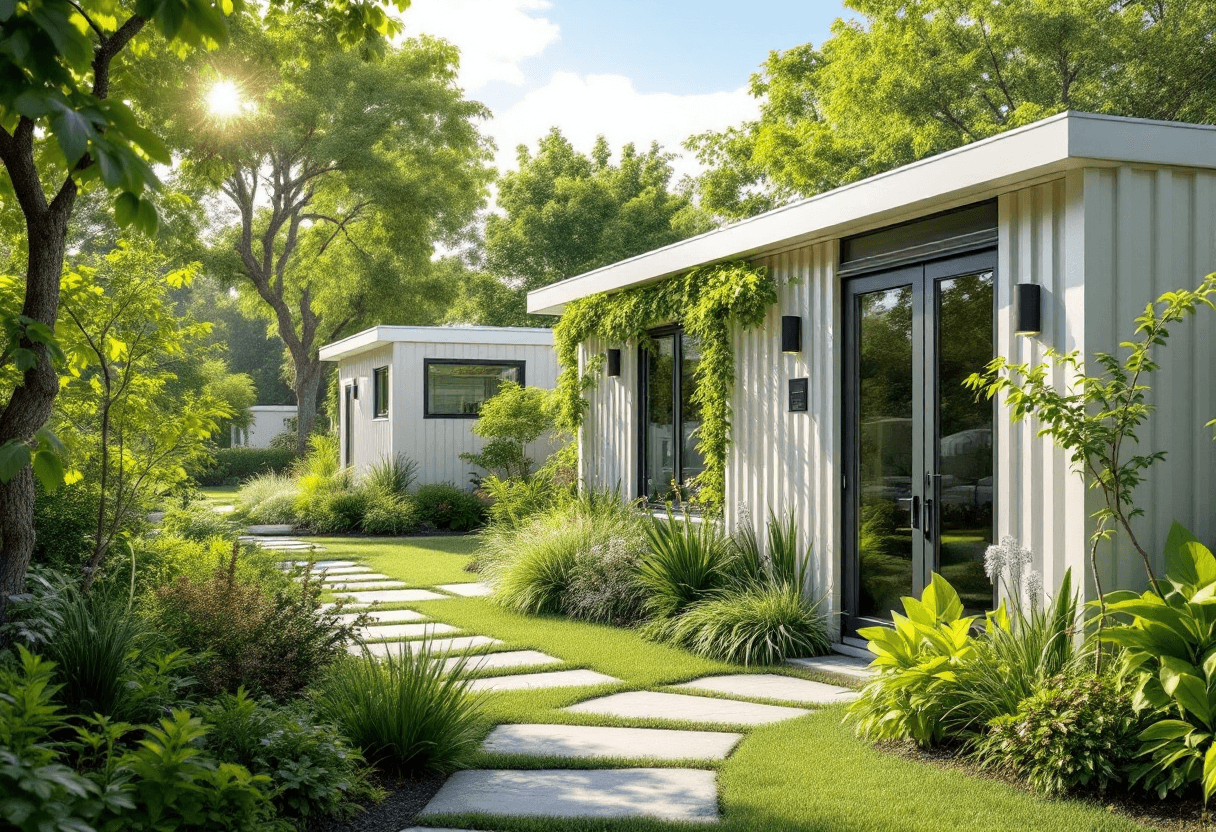
Proper insulation and ventilation are vital for comfort and energy efficiency. Containers can become extremely hot or cold, so insulation is necessary to maintain a stable indoor climate. Consider eco-friendly insulation options and ensure there is adequate ventilation to prevent moisture buildup.
Utilities and Infrastructure
Integrating utilities into your container home requires careful planning. Water, electricity, and sewage systems must be designed to fit the unique structure of the home. You may need to consult with professionals to ensure that these systems are safely and efficiently installed.
Building and Assembling
Once the planning phase is complete, it's time to move on to building and assembly. This phase includes cutting and welding containers, installing insulation, and adding doors and windows. Safety should be a top priority, so consider hiring experienced contractors for complex tasks.
Interior Design and Finishing Touches
With the structure in place, focus on the interior design. Choose materials and decor that reflect your style while maintaining functionality. From flooring to lighting, every detail contributes to the overall ambiance of your container home.
Embarking on a DIY container home project is an exciting venture that requires thorough planning and creativity. By understanding the essential elements and considerations, you can create a unique, sustainable living space tailored to your needs.