
How to Prepare Your Container Home for the Florida Climate
ID
Understanding the Florida Climate
Florida's climate is unique, characterized by high humidity, intense heat, and frequent storms. These factors must be carefully considered when preparing your container home. The state's subtropical climate can pose challenges, but with the right strategies, you can create a comfortable and resilient living space.
One major consideration is the need for effective insulation. The metal structure of a container home can easily conduct heat, making it essential to choose the right insulation materials. Options like spray foam or insulated panels can help maintain a comfortable indoor temperature.

Insulating Your Container Home
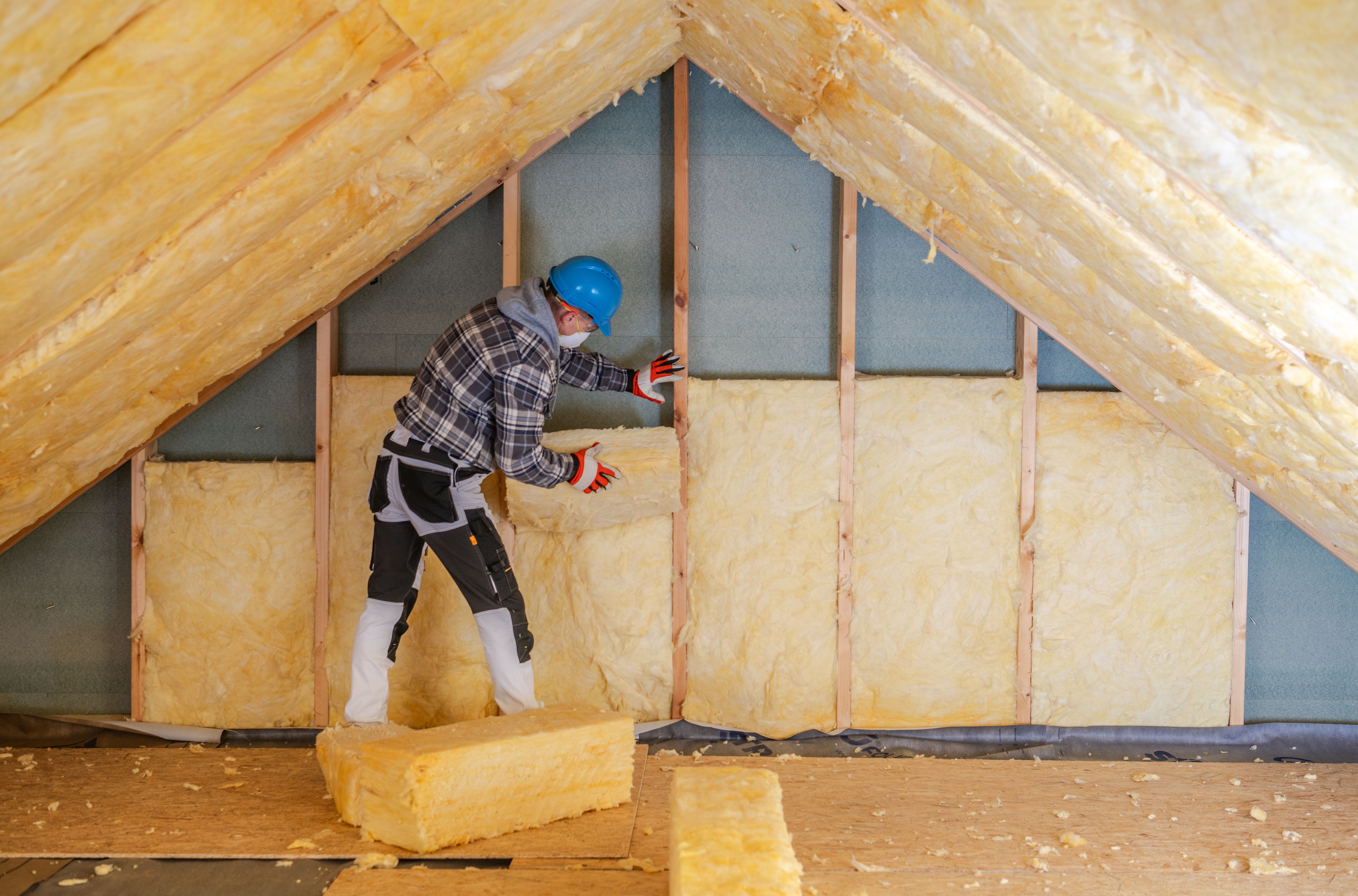
Proper insulation is vital for both temperature control and energy efficiency. In Florida, where temperatures can soar, using materials like closed-cell spray foam can provide a strong barrier against heat. This type of insulation also helps in reducing moisture infiltration, a common issue due to the state's high humidity.
Consider installing insulated windows and doors to further protect against heat and humidity. Double-glazed windows and weather-stripped doors can significantly reduce energy costs and improve comfort.
Ventilation and Airflow
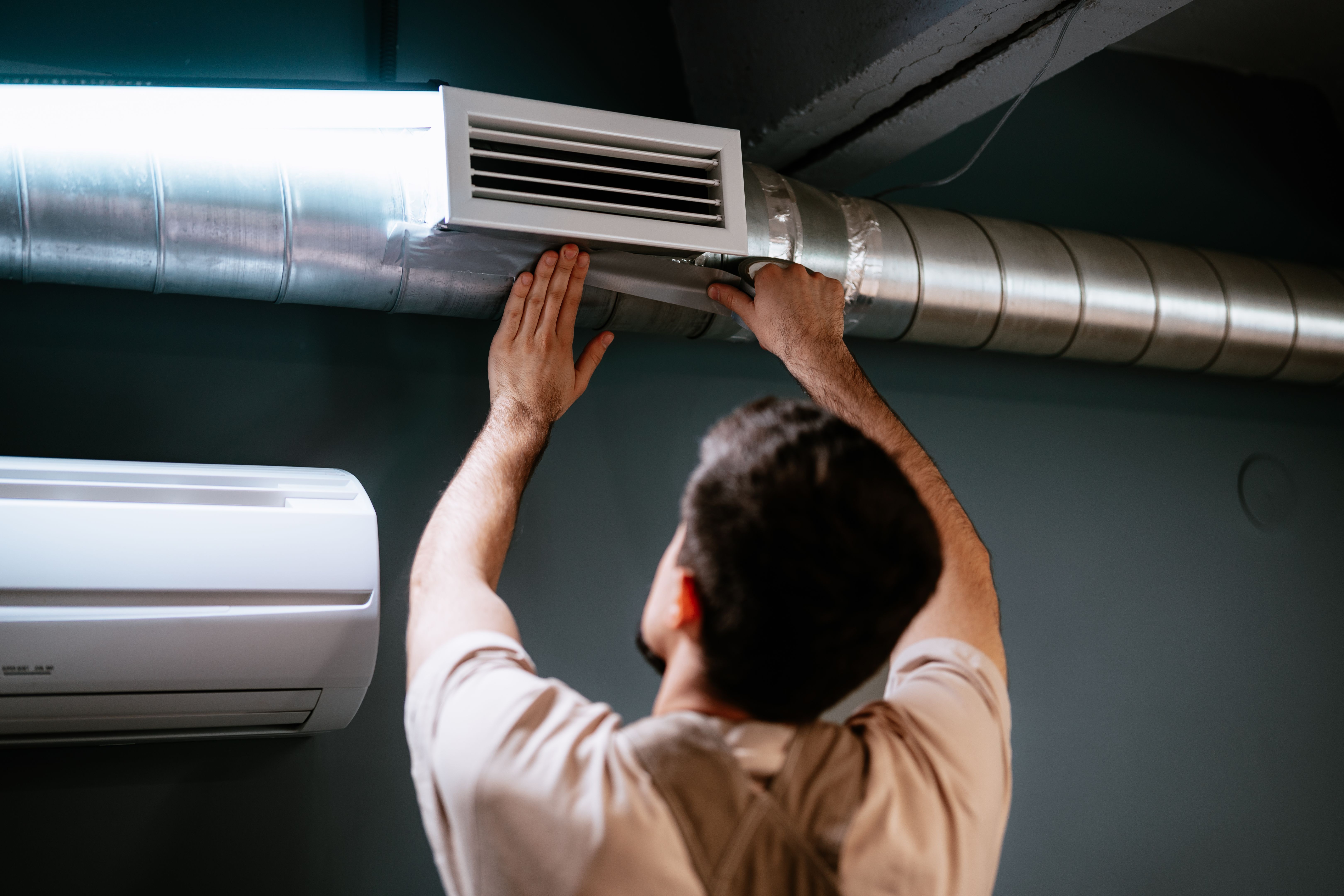
Ensuring proper ventilation in your container home is crucial. Adequate airflow helps in managing humidity levels and preventing mold growth, which is a common problem in Florida. Installing roof vents and exhaust fans can enhance air circulation and improve indoor air quality.
- Use ceiling fans to promote air movement.
- Install dehumidifiers to manage moisture levels.
- Consider air conditioning units designed for humid climates.
Storm Preparedness
Florida is prone to hurricanes and tropical storms, making it imperative for container home owners to prioritize storm preparedness. Reinforcing the structure with hurricane straps and impact-resistant windows can provide added protection. Ensure your home is anchored securely to withstand strong winds.
Having a well-thought-out emergency plan is important. This includes stocking up on essentials like water, food, and first aid supplies. Familiarize yourself with local evacuation routes and have a communication plan in place.
Landscaping and Drainage
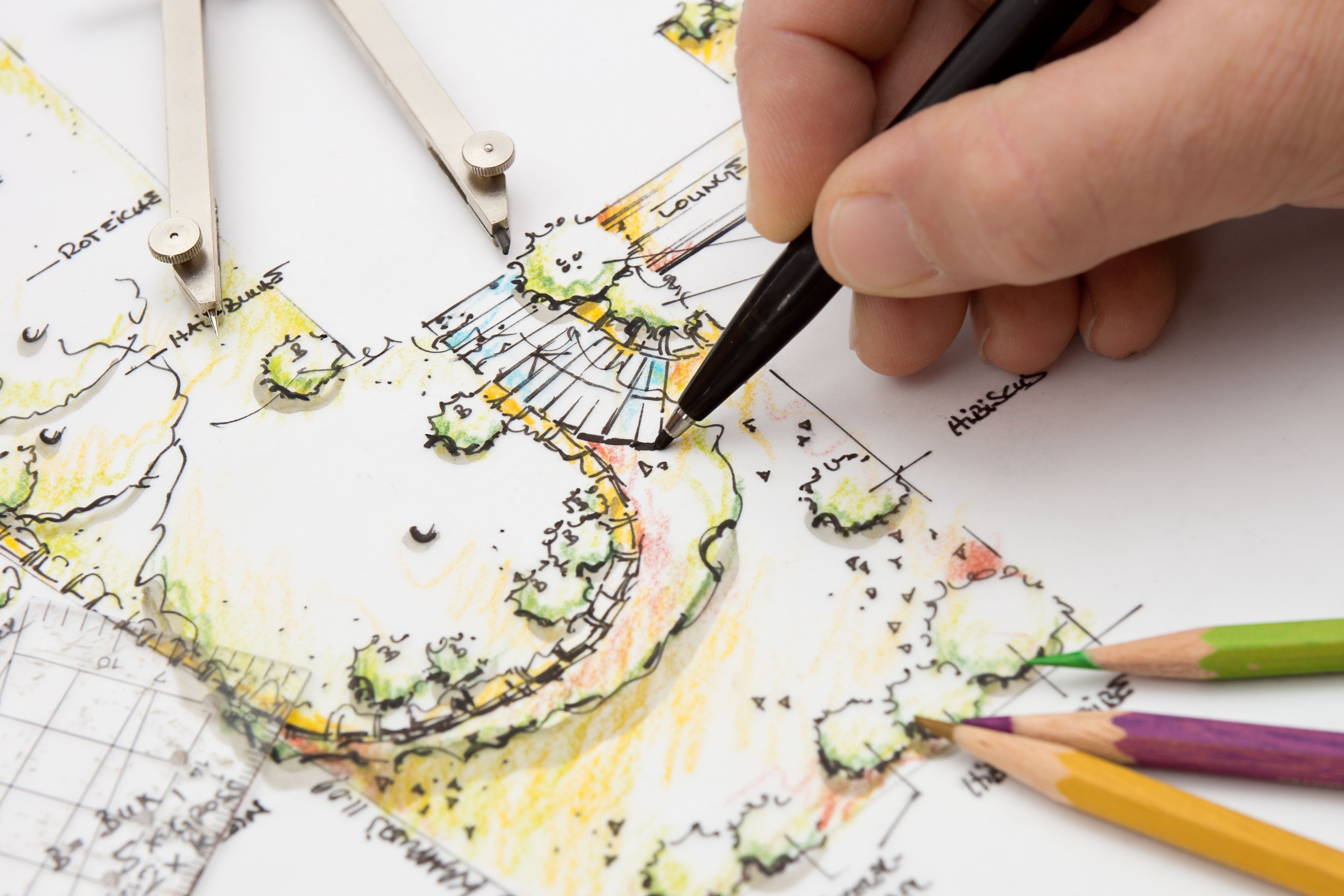
Landscaping plays a crucial role in managing water runoff and preventing flooding around your container home. Design your landscape with native plants that can thrive in Florida's climate and help absorb excess water. Proper drainage systems, such as French drains or rain gardens, can effectively redirect water away from the home.
Energy Efficiency Considerations
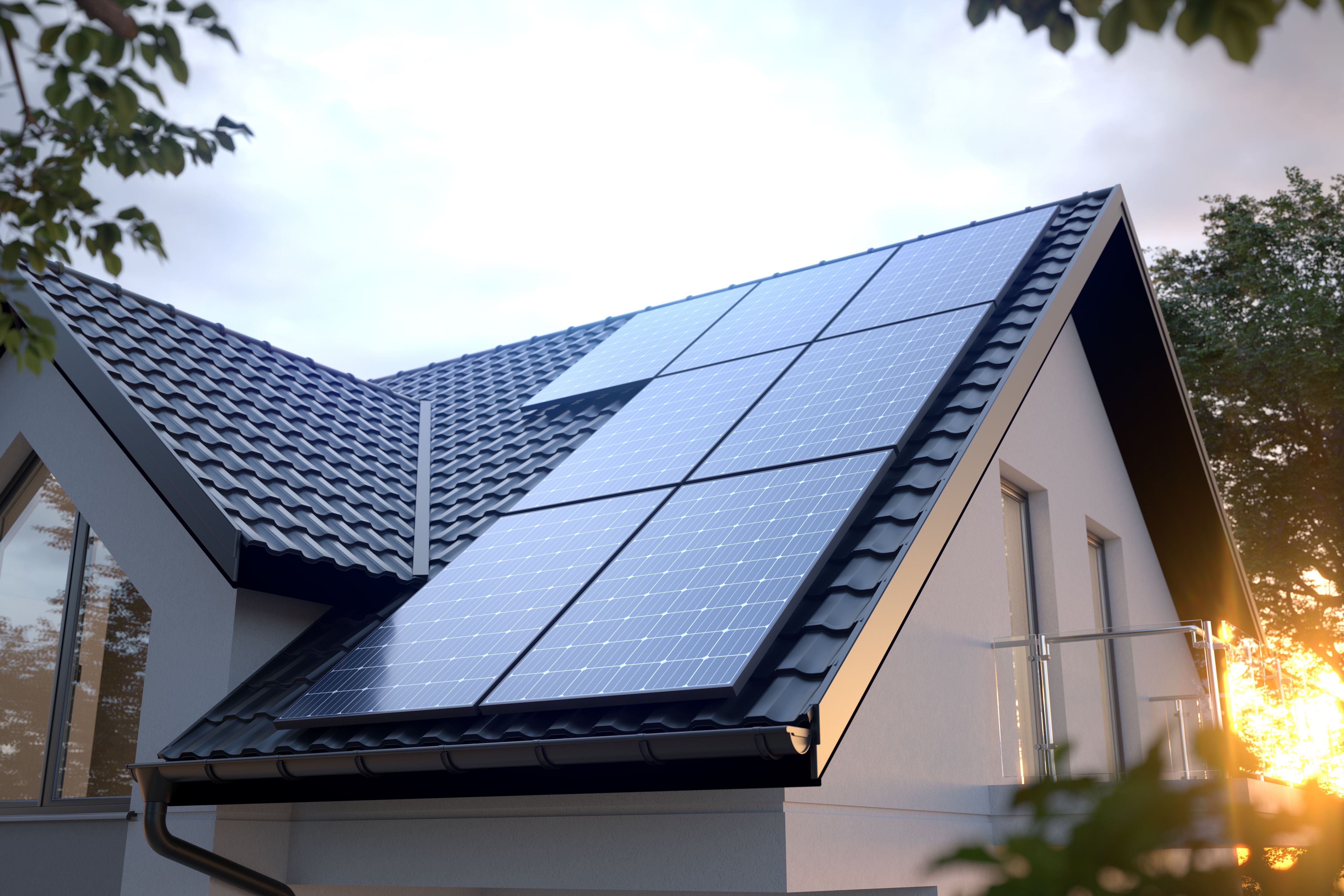
Given the intense heat, focusing on energy efficiency can significantly reduce cooling costs. Installing solar panels is an excellent way to harness Florida's abundant sunshine and offset energy usage. Additionally, using energy-efficient appliances and LED lighting can contribute to a more sustainable home.
Consider smart home technology to monitor and optimize energy consumption. Automated systems can adjust cooling and lighting based on occupancy and time of day, enhancing comfort and efficiency.
Conclusion
Preparing your container home for the Florida climate involves thoughtful planning and the right materials. By focusing on insulation, ventilation, storm preparedness, and energy efficiency, you can create a comfortable and resilient living space. With these strategies, your container home will be well-equipped to handle the unique challenges of Florida's climate.