
Myths About Prefabricated Homes: What Buyers Should Know
ID
Understanding Prefabricated Homes
Prefabricated homes, often referred to as prefab homes, have witnessed a surge in popularity. Despite their growing appeal, numerous myths persist about these modern living spaces. It's crucial for potential buyers to distinguish fact from fiction to make informed decisions.
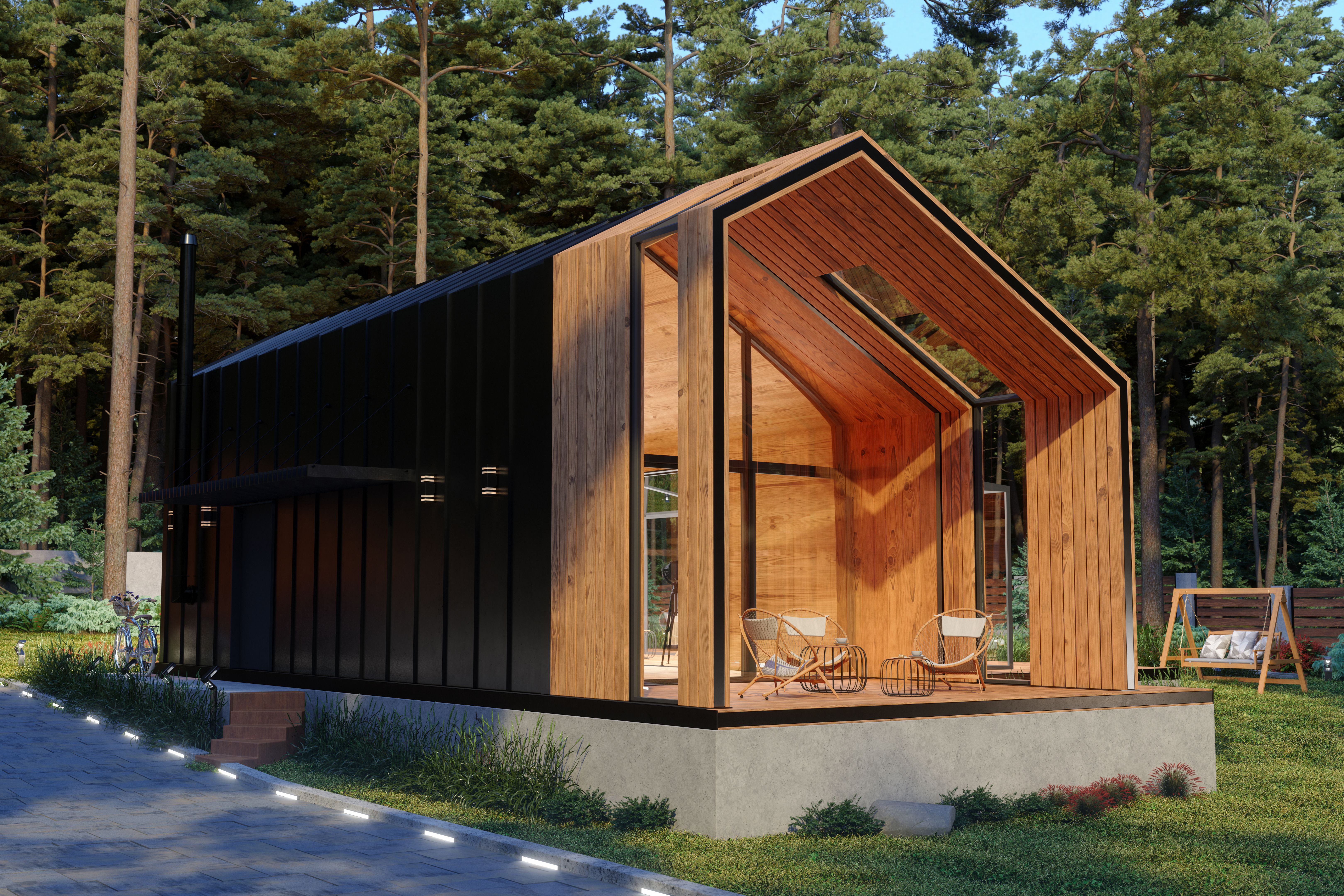
Myth 1: Prefabricated Homes Are Low Quality
One common misconception is that prefab homes are of inferior quality compared to traditionally built homes. However, this is far from the truth. Prefab homes are constructed in controlled environments, ensuring precision and adherence to strict quality standards. Many reputable manufacturers use high-quality materials and advanced technology, resulting in durable and resilient homes.
Additionally, prefab homes often undergo rigorous inspections throughout the construction process. This ensures that any potential issues are addressed before the home is delivered to the site. In many cases, prefab homes meet or even exceed the quality standards of traditional homes.
Myth 2: Limited Design Options
Another myth is that prefabricated homes offer limited design flexibility. On the contrary, modern prefab homes come in a wide range of styles and configurations. Buyers can choose from various floor plans, finishes, and architectural styles, allowing for a highly personalized living space.
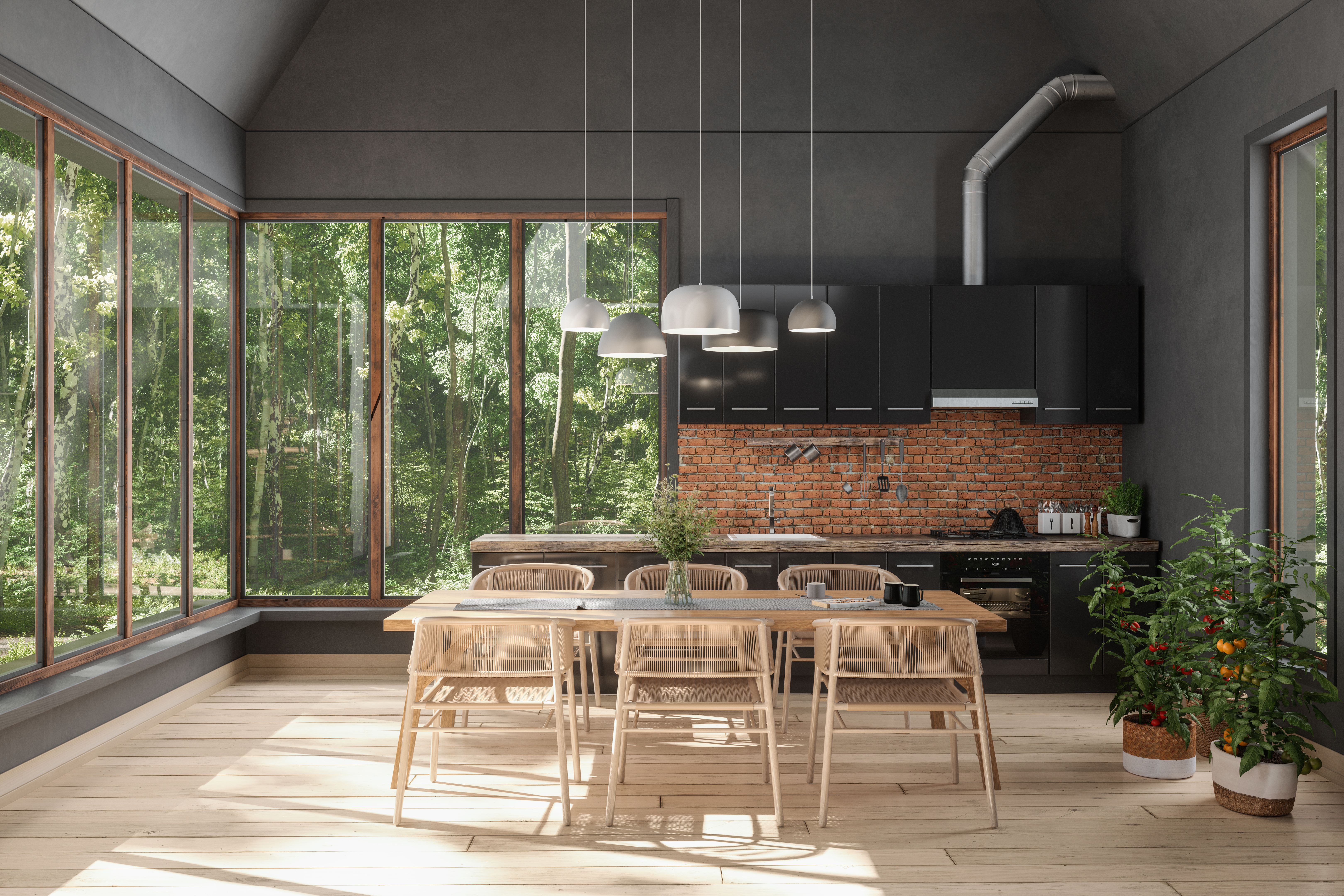
Many manufacturers offer customization options, enabling buyers to modify layouts and select unique features. This flexibility makes prefab homes suitable for diverse tastes and preferences, debunking the myth of limited design options.
Myth 3: Prefab Homes Are Not Energy Efficient
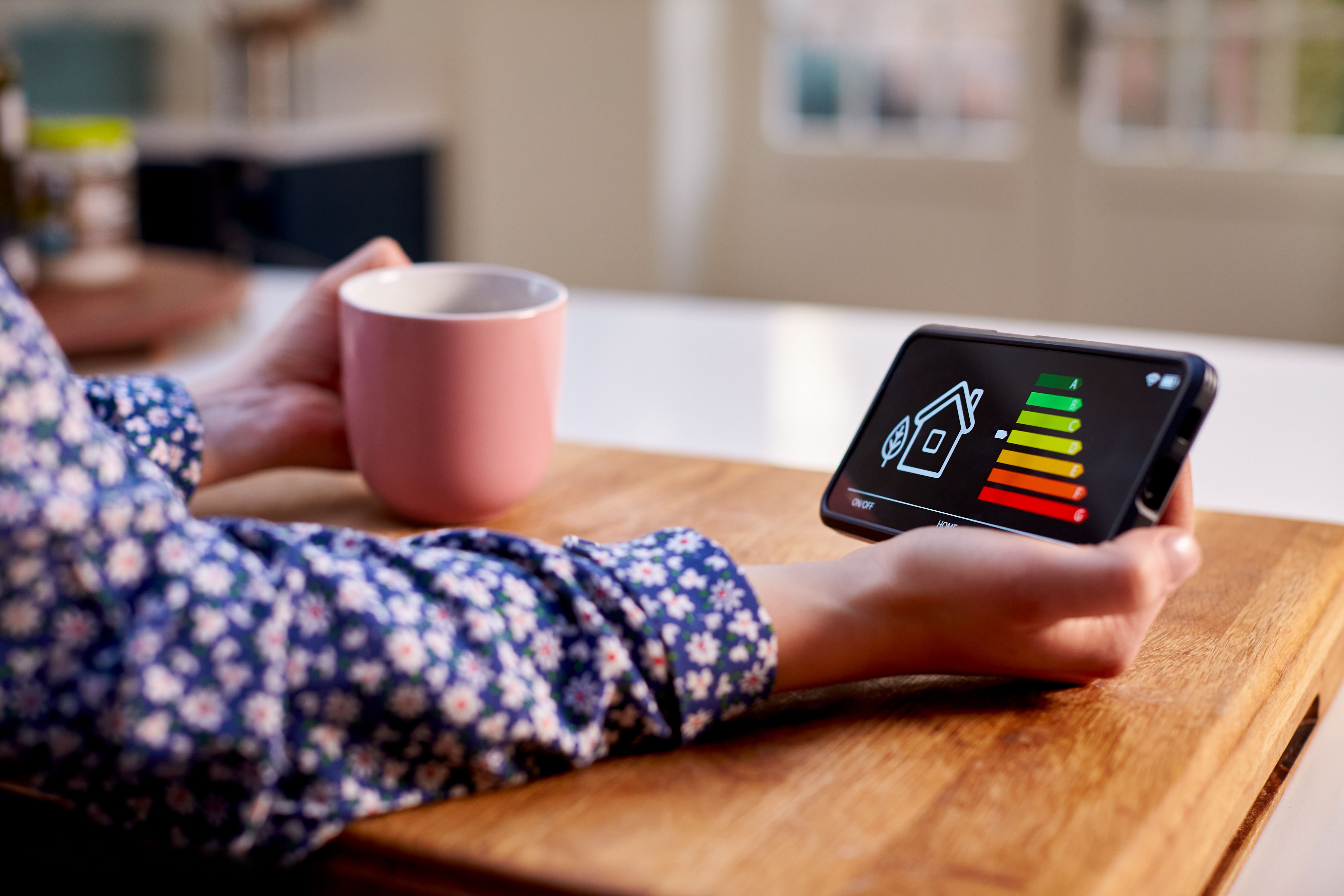
Some people assume that prefab homes lack energy efficiency, but this is a misconception. Prefabricated homes are often designed with sustainability in mind. They frequently include energy-efficient features such as superior insulation, energy-saving windows, and modern HVAC systems.
These features not only reduce the environmental impact but also lower utility bills for homeowners. By investing in a prefab home, buyers can enjoy a comfortable living environment while minimizing their carbon footprint.
Myth 4: Difficult Financing Options
Financing a prefabricated home is often perceived as challenging. However, as prefab homes become more mainstream, financing options have expanded significantly. Many banks and financial institutions now offer competitive mortgage options specifically for prefabricated homes.
It's advisable for buyers to research and consult with lenders familiar with prefab home financing. Understanding the available options can ease the buying process and provide peace of mind.
Conclusion
In conclusion, prefabricated homes offer a viable, high-quality, and customizable housing option. By debunking these myths, potential buyers can appreciate the numerous benefits prefab homes provide. As the industry continues to innovate, it's clear that these homes are not only a trend but a practical choice for modern living.