
Step-by-Step Process of Building a Container Home in Florida
ID
Understanding the Basics
Building a container home in Florida involves a unique and exciting process. These homes are made from shipping containers and offer a sustainable, affordable alternative to traditional housing. Before diving in, it's essential to understand the basics, including zoning laws, permits, and the overall design process.

Research and Planning
The first step is thorough research. Check local zoning regulations and building codes in your area. Florida has specific rules, especially regarding hurricane resistance. Planning your design and layout is crucial at this stage. Consider how many containers you'll need and how they'll be configured to maximize space and functionality.
Design and Budget
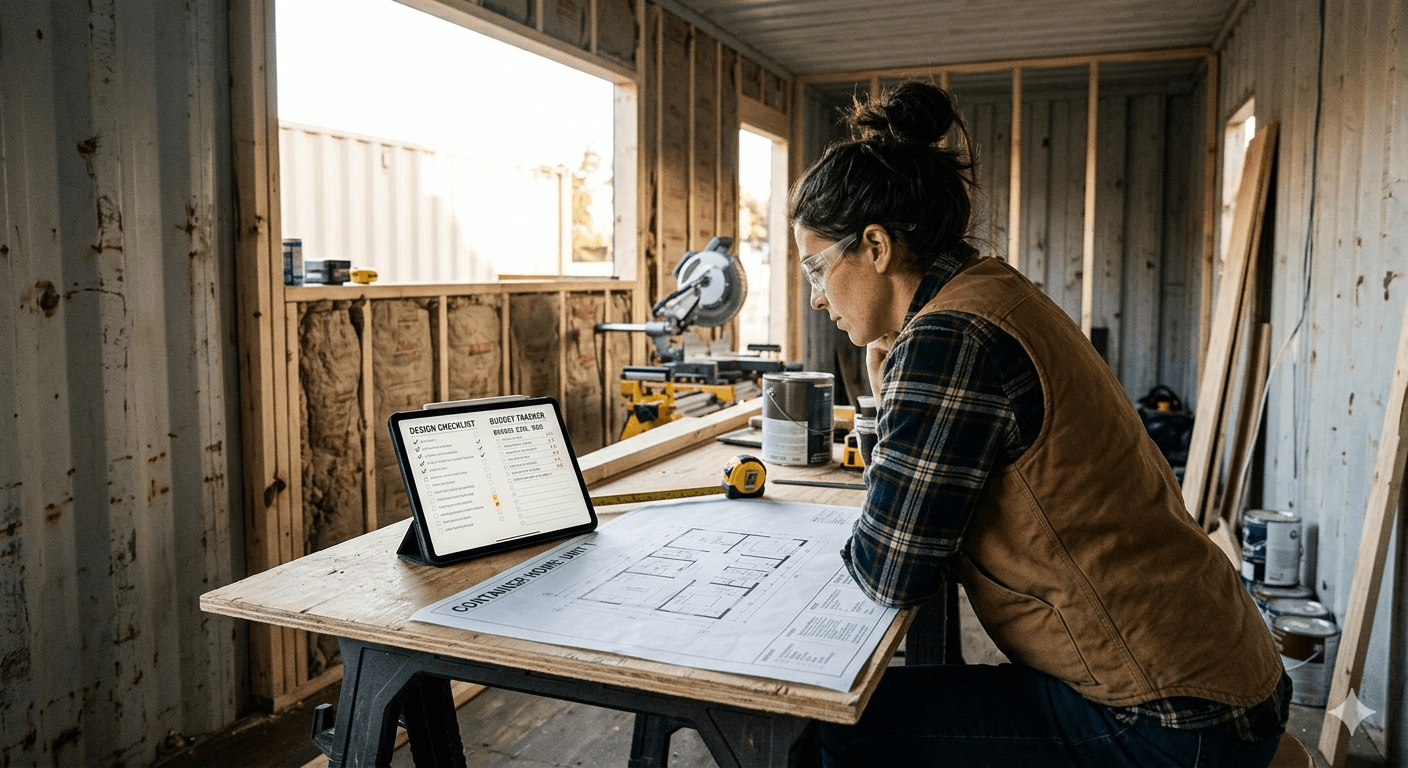
Designing your container home involves creativity and practicality. Work with an architect or designer familiar with container homes to create a blueprint that suits your needs. At this point, outline a clear budget. Factor in costs for the containers, insulation, plumbing, electrical work, and interior finishes.
Purchasing Containers
Once you have a design, it's time to purchase the containers. Ensure they are in good condition, free of rust and structural damage. Consider buying from reputable suppliers who can provide containers that meet your specifications.
Site Preparation
Preparing the site is a vital step. This includes clearing the land, laying a foundation, and ensuring proper drainage. In Florida, it's crucial to have a foundation that can withstand the state's weather conditions, including heavy rains and high winds.

Modifying the Containers
Once the containers are on-site, the modification process begins. This involves cutting openings for doors and windows, reinforcing the structure, and adding insulation. Proper insulation is key to maintaining a comfortable temperature inside the home.
Installation of Utilities
After modifying the containers, it's time to install utilities such as plumbing, electricity, and HVAC systems. These installations must comply with local building codes and standards, ensuring safety and efficiency.

Interior and Exterior Finishing
With the utilities in place, focus on finishing the interior and exterior. This includes painting, flooring, and installing cabinetry. The exterior may require additional cladding or roofing to enhance aesthetics and weather resistance.
Final Inspection and Approval
Once construction is complete, schedule a final inspection with local authorities. This step is crucial to ensure your container home meets all building codes and regulations. After approval, you can move in and enjoy your new, eco-friendly home.

Building a container home in Florida is a rewarding endeavor that combines innovation with sustainability. By following these steps, you can create a unique living space that meets your needs and reflects your style.